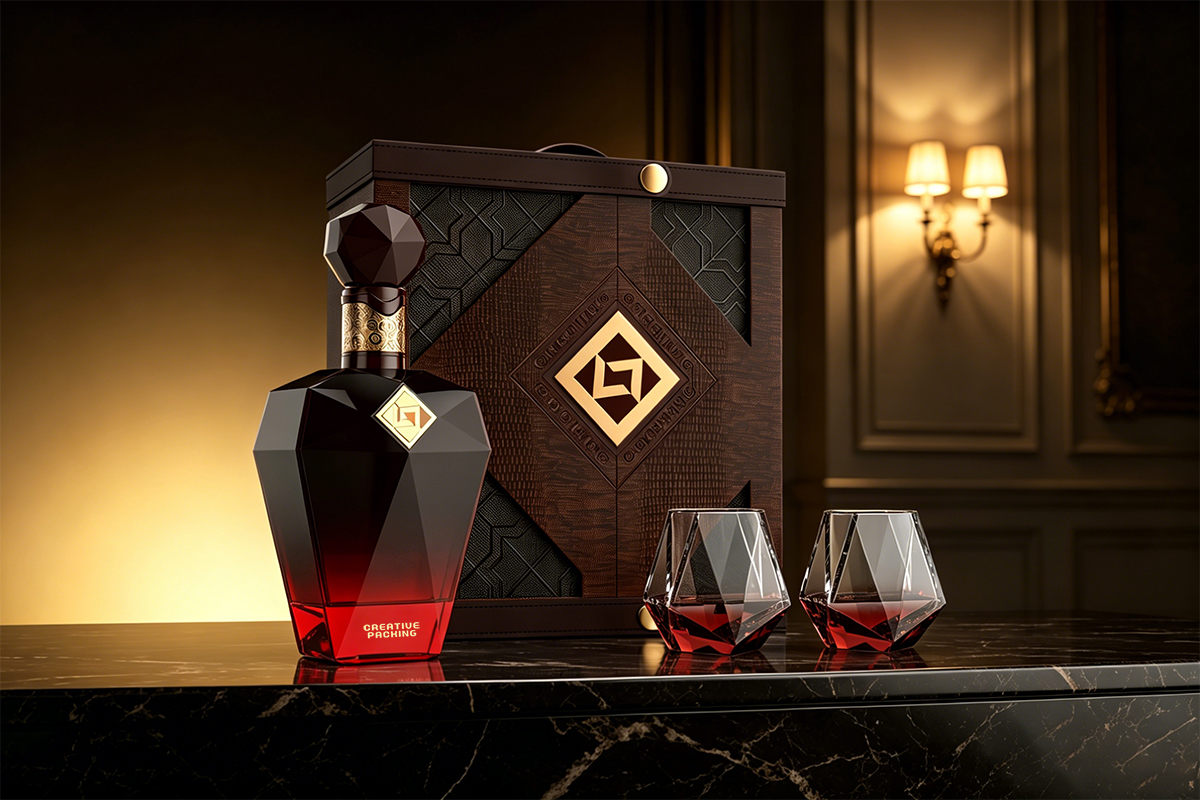
When premium brands search for a custom wine box, they are usually looking for more than packaging. They want a solution that supports brand value, protects the bottle, and creates a stronger customer experience. For B2B buyers, the right wine box can help improve presentation, strengthen positioning, and increase the perceived value of the product.
What matters most to premium buyers?
The first thing most buyers notice is appearance. In the luxury wine market, packaging often becomes part of the product itself. A well-designed wine box can make a bottle look more refined, more giftable, and more suitable for retail display. That is why many brands pay close attention to structure, material, and finishing before making a purchase decision.
The second concern is protection. Wine bottles are fragile, so the box must keep the bottle stable during shipping, storage, and display. If the structure is loose, the bottle may move inside. If the box feels too thin, the packaging can seem less premium. A good custom wine box should solve both problems at the same time.
The third concern is brand identity. Many B2B clients want packaging that reflects their own brand style instead of a generic box. This is especially important for wineries, gift brands, corporate gift suppliers, and luxury retailers. For these buyers, custom wine packaging is not only a container. It is part of the brand story.
Which custom wine box styles are commonly used?
Different brands choose different box styles based on market needs and price position. Some prefer rigid wine boxes because they offer a strong structure and a premium look. Others choose wooden wine boxes for a more natural and luxury feel. Leather-covered wine boxes are often used when a brand wants a softer and more elegant presentation. Paper wine boxes are also common, especially for promotional projects and large-volume orders.
Rigid wine boxes are often used in premium retail and gifting markets. They give the product a solid and polished appearance. Wooden wine boxes are popular with high-end brands because they feel durable and collectible. Leather-style wine boxes are a good option for brands that want a more refined visual identity. Paper wine boxes are usually more flexible for printing and are suitable for seasonal campaigns or cost-sensitive projects.
How does custom packaging support B2B sales?
For B2B buyers, custom packaging does more than improve appearance. It can also support pricing, branding, and sales conversion. In many cases, a better wine box helps a brand position the product at a higher price point. It also helps distributors and retailers present the product in a more professional way.
Custom wine boxes are especially useful for:
-
Winery gift sets.
-
Corporate gifting programs.
-
Holiday promotions.
-
Premium retail packaging.
-
Export products for different regions.
In these cases, the wine box is not just a protective layer. It becomes part of the commercial value of the product.
What should buyers confirm before ordering?
Before placing an order, buyers should confirm several key details. First, they should define the target market. A wine box for Europe may need a different style than one for the Middle East or North America. Second, they should choose the right material. Wood, paper, leather, and mixed-material options all create different brand impressions. Third, they should review the customization range. Logo printing, foil stamping, embossing, color matching, and insert design all affect the final result.
A reliable supplier should be able to explain these options clearly and provide samples before mass production. For B2B customers, this step is important because it reduces risk and makes it easier to match the packaging with the brand’s sales goals.
Why do regional preferences matter?
Market preferences vary more than many brands expect. In Europe, buyers often prefer clean, refined, and eco-conscious designs. In North America, practical structure and clear branding are usually important. In the Middle East, brands and buyers often prefer packaging with a stronger luxury feel and richer visual detail. In Asia, especially in gift-driven markets, packaging often needs to feel premium, festive, and distinctive.
Because of these differences, one wine box design rarely works for every market. Brands that sell globally often need slight adjustments in structure, color, and surface treatment. This is where an experienced packaging factory becomes valuable.
How can the right factory support your project?
The right factory should do more than produce boxes. It should help turn your packaging idea into a practical product. That includes structure planning, sample making, material selection, production control, and export support. For premium brands, a reliable partner often makes the difference between an idea and a finished packaging solution.
At Dongguan Creative Packing Co., Ltd., we have 19 years of experience in premium packaging manufacturing. We support B2B clients with custom wine box solutions designed for brand presentation, product protection, and market-specific needs. Our team works on structure, material, finish, and branding details to help clients create packaging that fits both their product and their target market.
Related reading:




 Release time:

 WhatsApp: